
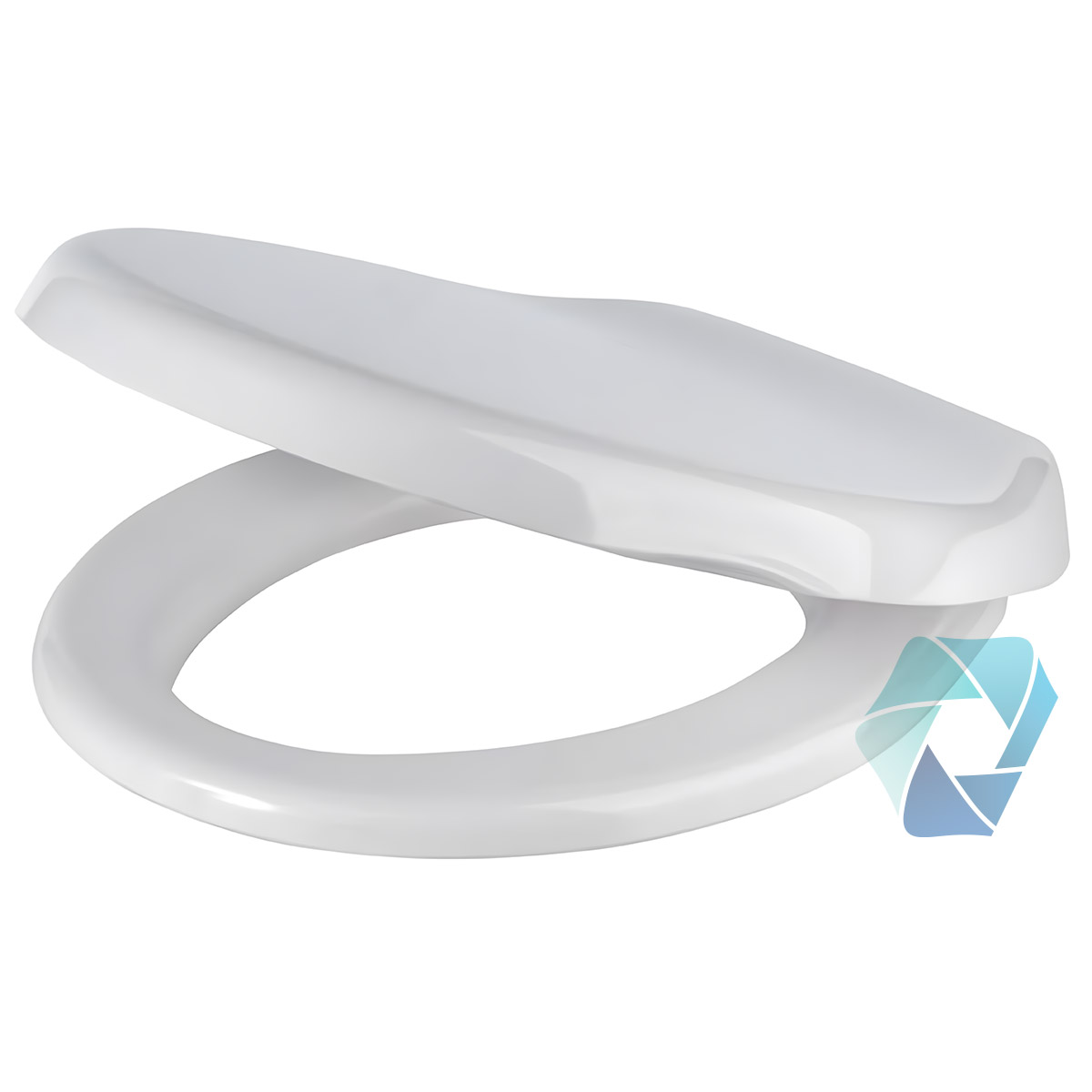
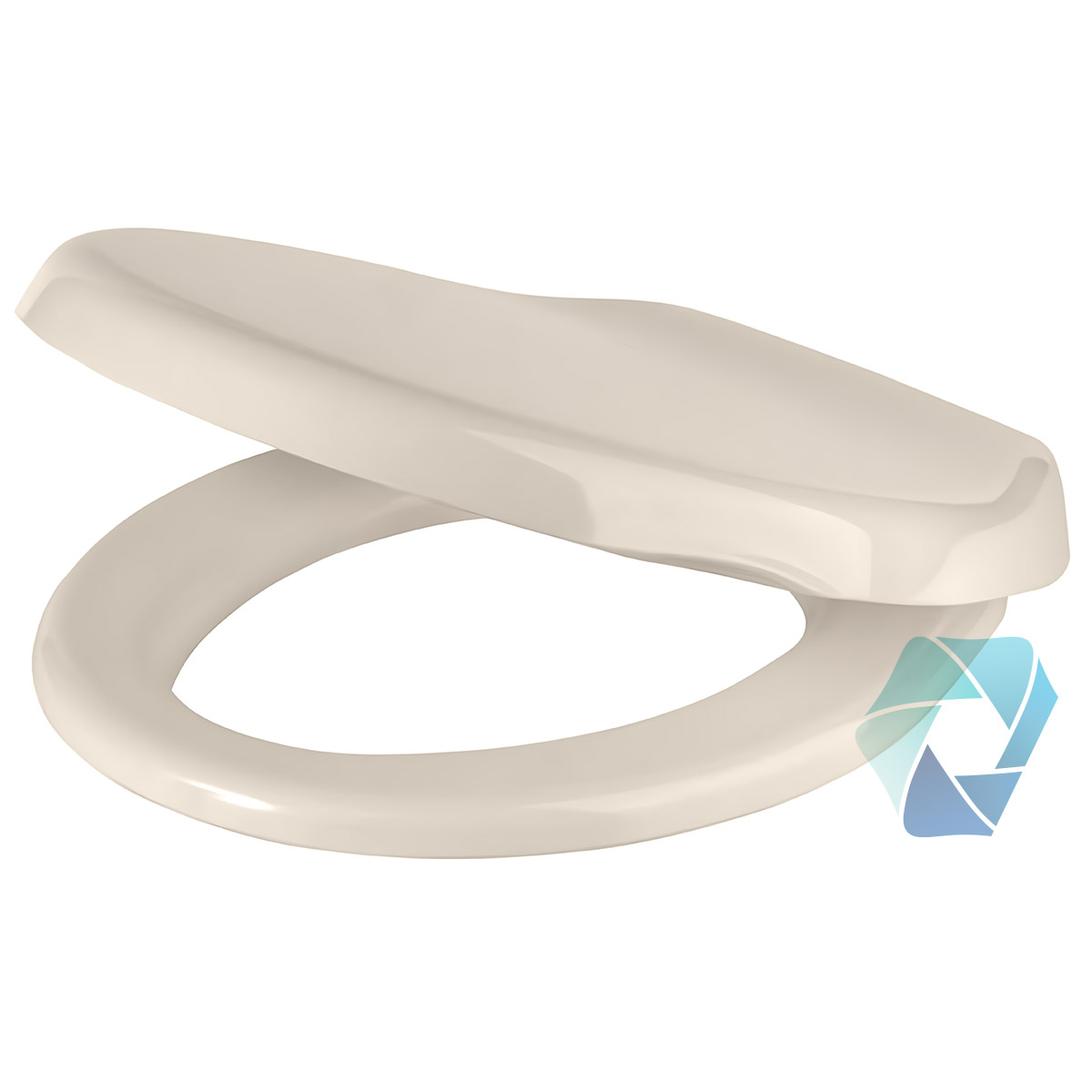


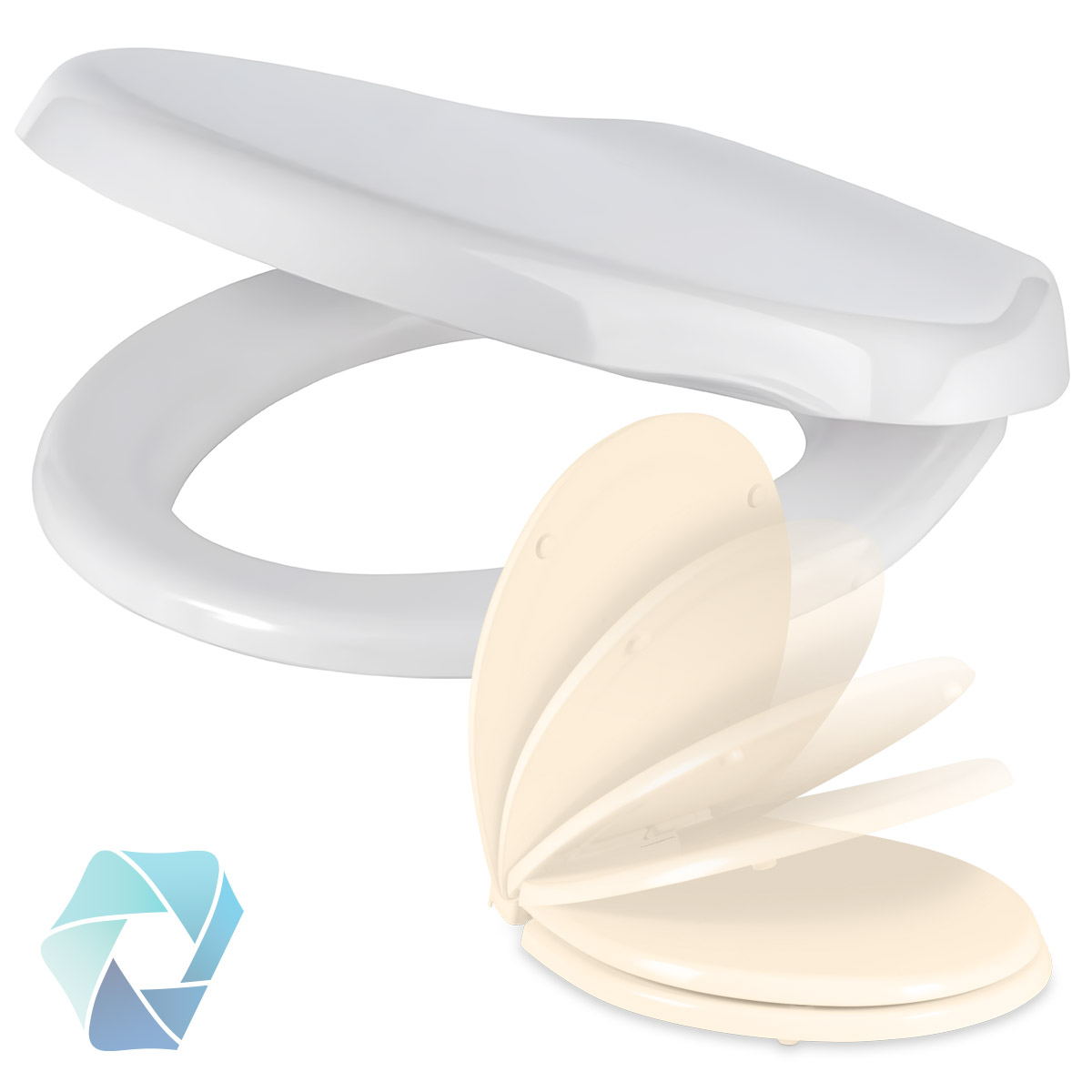


Dometic / Sealand Slow Close Seat for all China Heads
$180.00
Slow Close Seat for all China Heads. Choose white or bone. This item does not qualify for free shipping!
Need it urgently?
Slow Close Seat for all China Heads fits Vacuflush 4800 and 4600 as well as MasterFlush 8600 and 8900 series. Available in white or bone.
Features:
- Slow close seat
- Choose white or bone
Legacy Part Numbers/SKU:
- White: 385311618
- Bone: 385311619
UPC:
- White: 713814074357
- Bone: 713814074364
Dometic SKU:
- White: 9108559047
- Bone: 9108559048
Video – Learn how to replace the slow-close seat on electronic heads
The following video is specific to china heads
| Weight | 7 lbs |
|---|---|
| Dimensions | 24 × 18 × 3 in |
| Color | White, Bone |
What Are the Benefits of VacuFlush for RVs vs Boats?
VacuFlush was originally developed for marine use, but its advantages translate extremely well to RV applications too. In both environments, it’s known for low water consumption, excellent odor control, and flexible installation options.
In both RVs and boats, VacuFlush uses very little water—about one pint per flush—which helps extend holding tank capacity and reduces how often you need to empty the system. The vacuum-powered design also removes waste quickly, helping minimize odors and improve overall sanitation. Because the holding tank does not need to sit directly below the toilet, installation is much more flexible than with traditional gravity systems.
In boats, VacuFlush is especially useful because it works well in tight spaces and complicated hull layouts where plumbing options are limited. It performs reliably while underway, even in rough conditions, and is often considered a premium upgrade that can add resale value.
In RVs, the system makes possible layouts that gravity toilets often cannot support, including slide-outs, rear bathrooms, and basement-mounted holding tanks. It also helps conserve freshwater, making it popular with boondockers and full-time RVers who want a cleaner, more residential-style bathroom experience.
What Level of Difficulty is Involved in a DIY VacuFlush Installation?
Installing a VacuFlush system yourself is absolutely possible, but it’s best suited for SUPERTECH-trained technicians. Replacing a toilet is generally much easier than installing an entire new system.
A basic toilet replacement—such as swapping out an older bowl or base—is usually a straightforward job and can often be completed in a few hours. Most of the work involves disconnecting and reconnecting hoses, replacing seals, and mounting the new unit properly.
A full system installation is more involved. It may include installing a toilet, vacuum generator, holding tank, and sanitation hoses, plus wiring the system to the proper power source. Correct hose routing, airtight vacuum seals, and proper electrical connections are critical. Mistakes in these areas are the most common causes of issues like vacuum leaks or a pump that runs continuously.
The good news is that careful planning, the right tools, and patience go a long way. Many owners successfully complete DIY installations, especially when upgrading an existing system. AquaStar also offers video tutorials to help guide the process.
How to Upgrade from an Old SeaLand to New Dometic VacuFlush
The good news is that older SeaLand VacuFlush systems are generally very compatible with newer Dometic models. Since Dometic acquired SeaLand, most replacement and upgrade parts were designed with backward compatibility in mind.
Start by identifying your current toilet and vacuum generator model. In many cases, your existing 1.5-inch sanitation hoses and plumbing layout can remain in place, which makes upgrades much easier.
From there, you can choose how extensive you want the upgrade to be. Some owners replace only the toilet bowl for a newer style and improved comfort. Others upgrade the vacuum pump or motor for quieter operation and better reliability. If the existing system has recurring issues, a full vacuum generator replacement may make the most sense.
Installation typically involves shutting off water and power, pumping out the holding tank, removing the old components, installing the new parts, reconnecting hoses and wiring, and testing the system thoroughly for leaks and proper vacuum performance.
For most owners, upgrading to newer Dometic components improves reliability, reduces noise, and makes future maintenance easier thanks to better parts availability.
This video shows some instructions on upgrading toilets:
How to Wire a VacuFlush System?
Wiring a VacuFlush system is not especially complicated, but it does need to be done correctly for safety and reliable performance.
Most VacuFlush systems operate on 12-volt or 24-volt DC power and use relatively little electricity. Even so, the system should always be installed on a dedicated circuit with the correct fuse or breaker.
Marine-grade or RV-grade wiring materials are strongly recommended, including stranded tinned copper wire, proper crimp connectors, and heat-shrink protection to prevent corrosion. Good grounding is also essential.
The typical wiring process involves routing power from the battery or DC panel to the vacuum generator, toilet controls, and any optional accessories such as tank level sensors or status panels. Once everything is connected according to the manufacturer’s wiring diagram, the system should be tested to confirm the pump cycles properly and vacuum builds as expected.
Low voltage is one of the most common causes of poor VacuFlush performance, so correct wire sizing and solid electrical connections are important. If you are not comfortable working with DC electrical systems, professional installation is recommended.
When Is It Time to Replace a VacuFlush Vacuum Generator?
Most VacuFlush vacuum generators are not replaced on a schedule—they are replaced when rebuilding no longer solves the problem.
In many cases, the first and most cost-effective repair is a rebuild. Replacing common wear parts such as duckbill valves, bellows, gaskets, and seals can restore performance and extend the life of the system for years.
Replacement usually becomes necessary when the pump runs continuously, struggles to build vacuum, fails repeatedly after rebuilds, or shows signs of major wear such as leaks, overheating, unusual noises, or electrical failure.
A well-maintained vacuum generator can often last 10 years or more, and many systems remain in service for well beyond that with regular maintenance.
As a general rule, start with a rebuild kit. If performance still does not improve, it may be time to upgrade to a complete new vacuum generator.
If you determine that rebuilding is suitable, here is our major rebuild kit:
How does a Dometic MasterFlush macerating toilet work?
A Dometic MasterFlush macerating toilet uses an integrated macerator with stainless steel blades to grind waste and toilet paper, then pumps the liquefied mixture through small-diameter hoses to a holding tank or discharge point, allowing for flexible routing up to 100 feet horizontally or 10 feet vertically. This efficient design is ideal for marine and RV setups; we stock Dometic MasterFlush models like the 8900 series for seamless upgrades.
What is the difference between MasterFlush and VacuFlush systems?
Dometic MasterFlush is a macerating system that grinds waste with a macerator pump and pumps the waste to the holding tank in 1 motion. Dometic Macerating toilets are a all-in-one and do not require separate components like Vacuflush. MasterFlush uses more water and power than Vacuflush but has less maintenance and easier installation.
How do I operate the flush on a MasterFlush toilet?
Operate a Dometic MasterFlush by pressing the wall-mounted flush switch or electronic handle: Add water first if needed ( By pressing the add water button or lift up on lever), then select Normal flush or Dry bowl to activate the macerator, which grinds and pumps waste while refilling the bowl if required. This user-friendly design minimizes effort; we carry compatible flush switches and handles for reliable performance.
What are the flush modes (normal vs. dry) in MasterFlush?
In Dometic MasterFlush, Normal flush adds water to the bowl after flushing for a standard clean (using about 0.85 gallons), while Dry mode evacuates without adding water post-flush to conserve water, ideal for water-limited environments like boats in rough seas.
How much water does a MasterFlush toilet use per flush?
A Dometic MasterFlush toilet uses approximately 0.85 gallons (3.2 liters) in Normal mode and significantly less in Dry mode (as low as 0.4-0.5 gallons by not refilling), which is 33% less than many competing macerators, helping extend holding tank capacity and saving fresh water. This efficiency is perfect for RVs and boats.
Can I flush toilet paper in a MasterFlush system?
Yes, you can flush rapid-dissolving marine-grade toilet paper in a Dometic MasterFlush system, as the macerator’s blades effectively grind it for smooth pumping, but use only approved types to avoid clogs. Avoid excessive amounts; we offer compatible macerating toilet paper.
What should not be flushed in a MasterFlush toilet?
Do not flush non-dissolving items like wet wipes, sanitary products, paper towels, or foreign objects in a Dometic MasterFlush, as they can damage the macerator impeller or cause blockages in the discharge lines. Stick to waste and approved paper; our macerator replacement kits ensure quick repairs if needed.
Does MasterFlush use fresh water or seawater?
Dometic MasterFlush toilets are available in models that use either fresh water (for odor reduction and less calcification) or raw seawater (for unlimited supply in marine settings). Choose based on your setup; we stock both variants for marine and RV applications.
How quiet is a MasterFlush system during operation?
Dometic MasterFlush systems operate quietly, with modern macerators debunking the myth of noise from older designs, featuring low-vibration pumps and shorter flush cycles (often under 50 dB), making them suitable for night use in confined spaces.
How do I add water to the bowl before flushing?
To add water to a Dometic MasterFlush bowl, press and hold the “Add Water” button on the flush switch or pull up on the handle before flushing, filling to the desired level for better evacuation or cleaning. This simple step enhances hygiene; we carry electronic controls for precise operation.
What happens if the holding tank is full?
When the holding tank is full in a Dometic MasterFlush system, an optional full-tank sensor activates a shut-down feature, illuminating a red light and preventing flushing to avoid overflows until pumped out. AquaStar offers tank sensors for added safety
How does the pump-out work with MasterFlush?
Pump-out for Dometic MasterFlush involves connecting an external pump to the holding tank’s deck fitting to evacuate macerated waste; the toilet’s macerator handles initial grinding, but pump-out is independent for easy dockside or portable disposal. This keeps systems clean; we stock vent filters and pump-out accessories.
Can multiple toilets share one macerator pump?
No, each Dometic MasterFlush toilet has its own integrated macerator pump for independent operation, though multiple units can discharge into the same holding tank via shared hoses if plumbing allows. This setup simplifies multi-head boats; contact us for compatible plumbing fittings.
Why won’t my MasterFlush toilet flush?
A Dometic MasterFlush toilet may not flush due to a full holding tank triggering the red light shutoff, lack of power from a tripped breaker or low battery, a clogged macerator from foreign objects, or a faulty control panel. Check the tank sensor first; we stock Dometic full-tank shutoff kits and panels for quick resolutions.
Why is the red light on my MasterFlush toilet?
The red light on a Dometic MasterFlush indicates a full holding tank via the sensor, preventing overflows, pump out the tank to reset. This safety feature protects your system; AquaStar carries replacement sensors for reliable monitoring.
Why does the macerator pump keep running continuously?
The macerator pump in a Dometic MasterFlush runs continuously due to a stuck flush switch or short, faulty timer in the control board, or a blockage preventing proper shutdown after the flush cycle. Disconnect power to reset and inspect; shop our Dometic control boards for efficient repairs.
Why won’t water stop flowing after flushing?
Water not stopping after flushing in a Dometic MasterFlush results from a faulty water valve solenoid stuck open, debris in the valve, or electrical issues in the control module. Clean or replace the valve; a new Dometic water valve ensures proper shutoff.
How to fix slow or incomplete flushing in MasterFlush?
Fix slow or incomplete flushing in a Dometic MasterFlush by cleaning calcification from the macerator blades with vinegar, checking for low voltage reducing pump speed, or checking hoses for obstructions.
Why does water rise in the bowl instead of flushing?
Water rising in the bowl of a Dometic MasterFlush instead of flushing indicates a macerator clog, discharge hose blockage, or pump failure preventing evacuation.
What if the water level in the bowl drains slowly?
Slow draining in a Dometic MasterFlush bowl is due to partial clogs in the macerator, calcification buildup, or a weak pump—flush with vinegar to dissolve minerals and add more water when flushing in the future.
How to winterize a MasterFlush toilet?
Winterize a Dometic MasterFlush by draining all water lines, adding RV antifreeze through the flush cycle until it appears in the bowl, and disconnecting power to prevent freezing damage in cold climates. Make sure to flush anti-freeze through the whole system.
What warranties cover MasterFlush systems?
Dometic MasterFlush systems come with a 2-year limited warranty covering defects in materials, extendable through registration—covers parts like macerators but not misuse. Peace of mind; purchase yours via AquaStar for full support.
Related products
-
140 Series Vacuflush Head
Price range: $744.99 through $807.99Select options This product has multiple variants. The options may be chosen on the product page -
Sale!
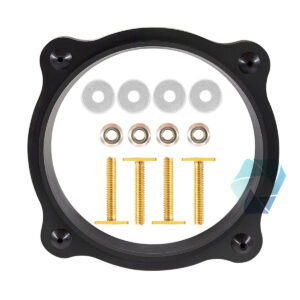
Dometic / Sealand Floor Flange Seal and Hardware Kit 385310063
Original price was: $50.99.$42.00Current price is: $42.00. -
Sale!
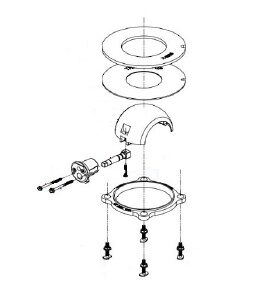
Metal Lever Toilet Rebuild Kit 4471014046
Original price was: $181.99.$160.00Current price is: $160.00. -
Sale!
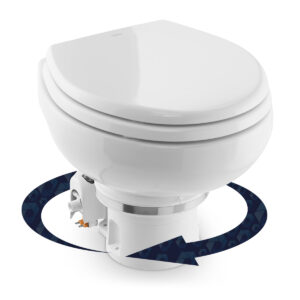
Dometic MasterFlush Orbit Macerating Toilet
Price range: $650.00 through $725.00Select options This product has multiple variants. The options may be chosen on the product page